Rest in Cringe: A Field Guide to Internet Slang That Peaked, Crashed, and Occasionally Haunts Us Still
Language has always changed. Shakespeare invented words. Teenagers invented more words. The internet said "hold my Red Bull" and started inventing words faster than anyone could write them down, let alone use them correctly. The result is a graveyard of terms that once felt urgent, fresh, and deeply necessary — until the exact moment they didn't.
Welcome to the WikiChan Glossary of Dead Slang. Bring flowers.
The Life Cycle of an Internet Word (It's Bleak)
Before we start eulogizing, it helps to understand why slang dies. The pattern is almost always the same, and it's almost always somebody's dad's fault.
Step one: a word or phrase emerges from a specific community — Black Twitter, a gaming subreddit, a very specific corner of Tumblr. It carries meaning, context, and a kind of cultural shorthand that feels electric. Step two: the phrase spreads outward, picked up by adjacent communities who get the vibe. Step three: a brand tweets it. A morning news anchor uses it. A Super Bowl commercial winks at the camera and whispers it. Step four: death. Immediate, irreversible, total death.
 Photo: Super Bowl, via www.telegraph.co.uk
This is sometimes called "the commodification cliff," though most people just call it "the moment my uncle said it at Thanksgiving."
The Hall of Fame (of Shame)
YOLO — You Only Live Once arrived in 2011 courtesy of Drake's "The Motto" and immediately became the rallying cry for every questionable decision made by a 19-year-old with a Jäger shot in hand. For about eight months, YOLO was a legitimate cultural force. Then it became a bumper sticker. Then a Hot Topic hat. Then a punchline. The word is now less a philosophy and more a timestamp — if you hear someone use it unironically, you can carbon-date them to approximately 2012.
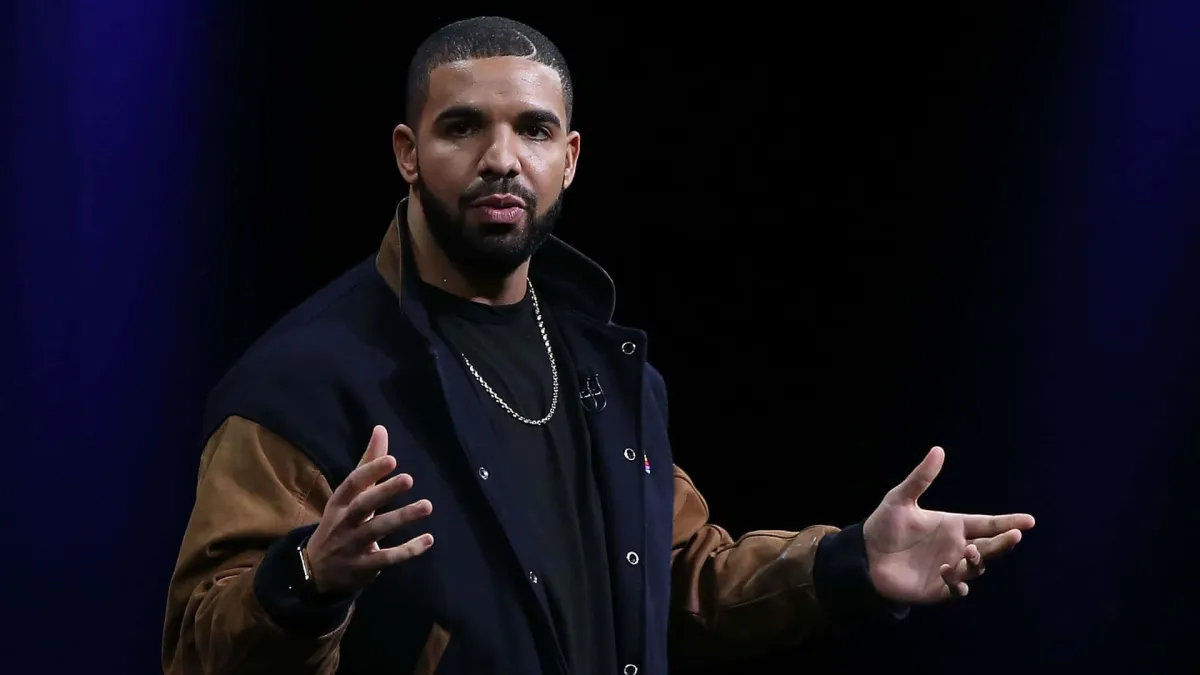 Photo: Drake, via wallpapers.com
On Fleek — Coined by Vine user Peaches Monroee in 2014 to describe perfectly groomed eyebrows, "on fleek" became one of the fastest-spreading slang terms in internet history. It also became one of the fastest-expiring. Denny's used it in a tweet. The Associated Press tried to explain it. Peaches Monroee, frustratingly, never saw a dime from the cultural explosion she started. The phrase is now a relic, but the injustice surrounding its origin is still very much alive.
Bae — Short for "before anyone else" (or maybe just a clipped "babe" — linguists still argue), bae was everywhere between 2013 and 2016. It appeared on Valentine's Day cards, in Pharrell song titles, and in the official communications of the Danish government, which used it in a tourism campaign without knowing it was also Danish for "poo." That's not a joke. That happened. Bae is now technically survivable in very specific ironic contexts, but you're playing with fire.
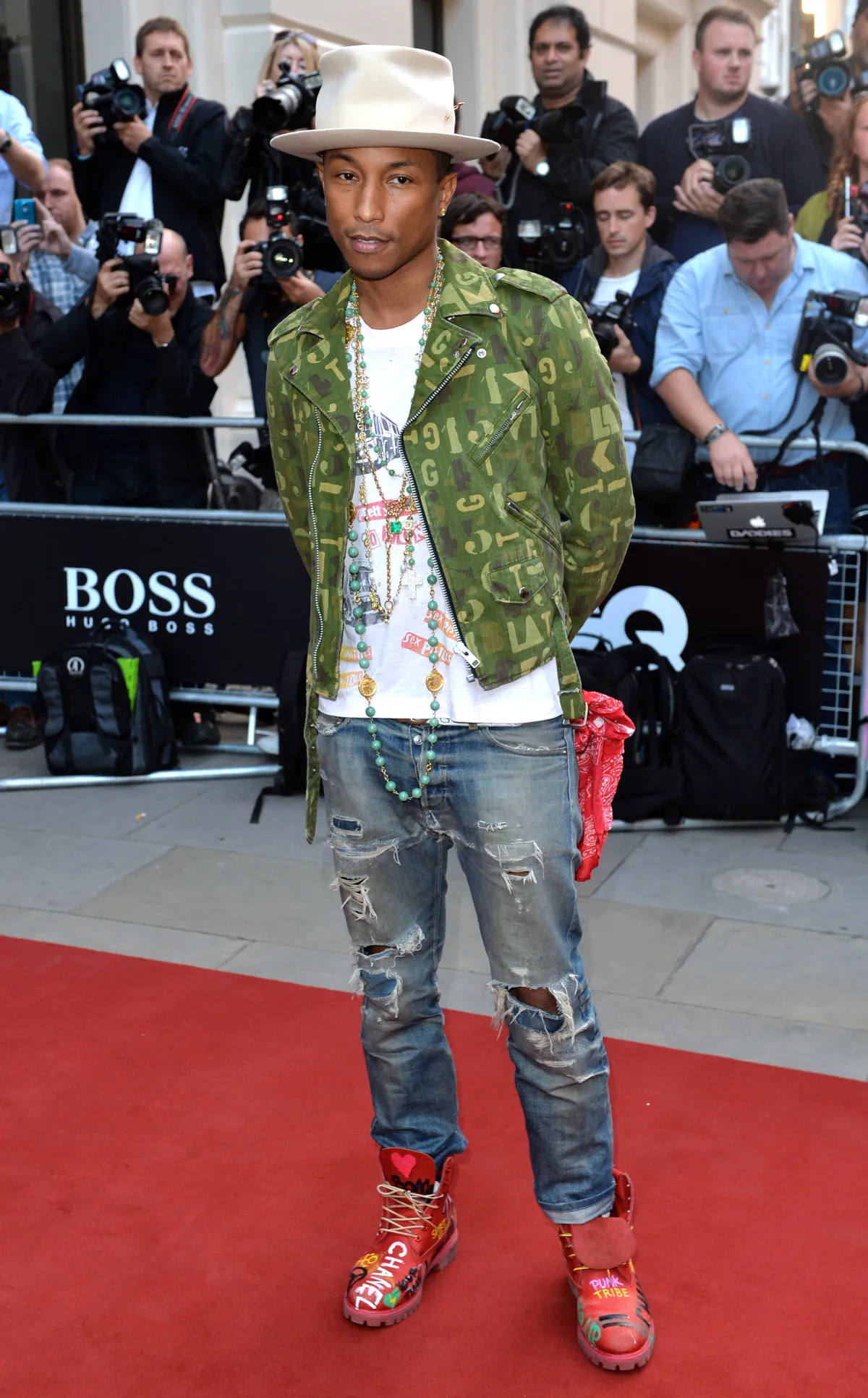 Photo: Pharrell, via fashionweekdaily.com
Swag — Possibly the most resilient zombie on this list. Swag has technically died three or four times and keeps crawling back. It peaked with Soulja Boy and Lil B around 2011, got weaponized by every corporate marketing team on earth, and was declared officially dead by 2014. And yet. It surfaces. It lingers. Gen Z has picked it back up with a detached, post-ironic shrug that somehow makes it work again. Swag may actually be unkillable, which is either impressive or terrifying.
Fleek, Totes, Adorbs, Cray-Cray — These are less individual words and more a vibe. The era of aggressively truncating adjectives and adding diminutive suffixes to everything produced a dialect that felt playful at the time and now reads like a Pinterest board from 2013. "Totes adorbs" is the "groovy" of millennials — technically comprehensible, spiritually expired.
Words on Life Support
Not every dead slang term is fully gone. Some exist in a kind of linguistic purgatory — too embarrassing to use sincerely, too embedded to disappear entirely.
Literally (misused intensifier edition) — Technically not dead, technically not slang, but the way an entire generation used "literally" to mean "figuratively" has been so thoroughly mocked that people are now self-conscious about it even when they use it correctly. Thanks, grammar Twitter.
Epic — Once the highest compliment the internet could bestow, "epic" now primarily survives in the phrase "epic fail" and in the name of a video game store. It's not dead so much as it's been put out to pasture.
Slay — Interestingly, this one crossed the cringe threshold and came back, largely because its roots in Black and LGBTQ+ ballroom culture gave it enough cultural weight to survive mainstream adoption. It's currently in a weird Schrödinger's state of both cringe and acceptable depending entirely on who's using it and how.
The Community Tier List: What Stays Buried, What Gets Dug Up
WikiChan readers have spoken (in the comments, loudly, with strong opinions), and here's the unofficial verdict:
Deserves a Comeback:
- "That's so fetch" — It never actually happened, which means it's technically available. We're trying to make it happen.
- "Radical" — Genuinely good word. Stolen from skate culture. Should be returned.
- "Groovy" — See above, but for the '60s. Retro chic is real.
- "Word" as a single-word affirmation — Quietly cool. Underrated. Bring it back.
Should Stay in the Ground:
- YOLO — We cannot go back. We will not go back.
- "On fleek" — The cultural injury surrounding it is too complicated to revive casually.
- "Amazeballs" — There is no world in which this is acceptable again.
- "Totes" — Please. We're begging.
Who Actually Decides When a Word Is Over?
Here's the uncomfortable truth: slang doesn't die because it gets overused. It dies because the wrong people use it. Specifically, it dies when it migrates so far from its origin community that it loses the meaning and context that made it feel alive in the first place.
The people who decide a word is "over" are almost always the people who were using it before it went mainstream — and they're usually right. The death of slang is less about exhaustion and more about dilution. A word that once signaled membership in a specific cultural moment becomes, through viral spread, a signal of absolutely nothing. And language without signal is just noise.
The internet speeds this cycle up to a terrifying degree. What once took decades now takes months. What takes months now sometimes takes weeks. TikTok has introduced a world where a sound or phrase can be born, peak, and become aggressively uncool within a single news cycle.
So use your slang while it's warm. Document it here. And when it dies — and it will die — pour one out, add it to the glossary, and move on.
The archive is always open.